





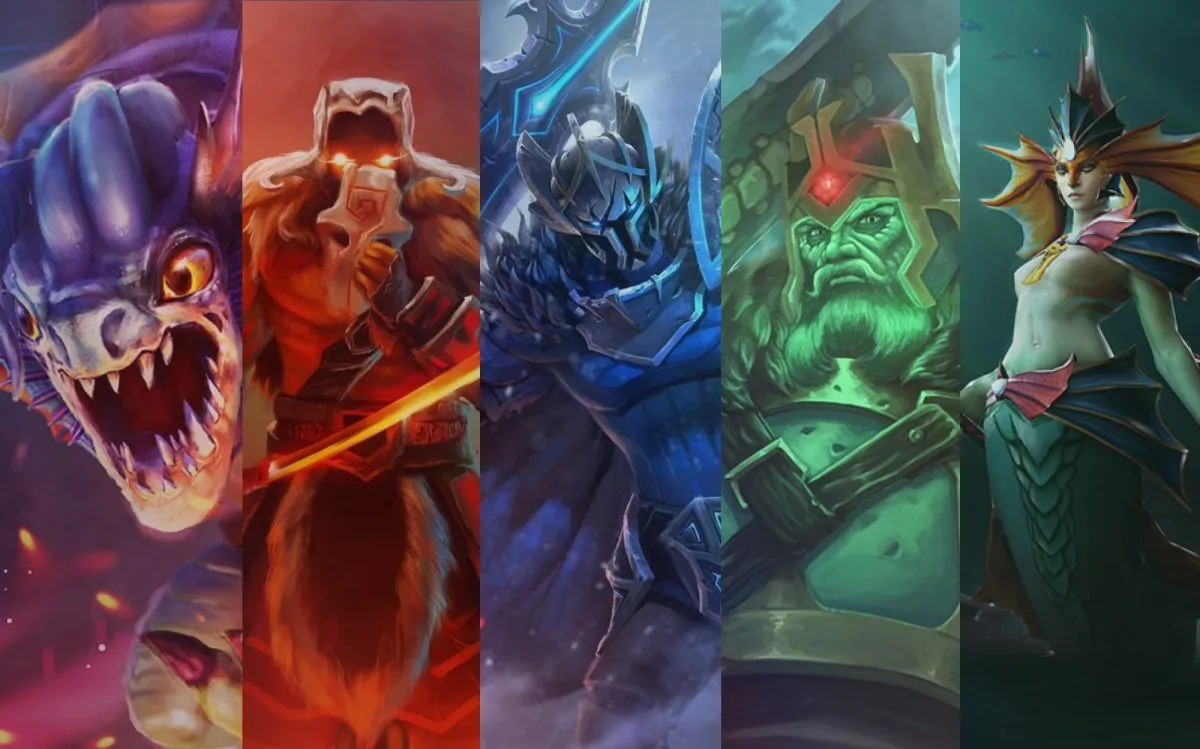
You love high-skill, high-stakes competition, and Dota 2 delivers both on a global scale. Expect intense strategic depth, globe-spanning tournaments like The International, and clear pathways—from regional qualifiers to world stages—that let teams and solo players turn practice into pro-level spotlight.
You’ll explore what makes the game thrilling, how major events structure competition and prize pools, and the technologies and community forces shaping esports today. This article guides you through the scene so you can follow matches smarter, spot rising talent, or plan your own path into competitive play.
What Makes Dota 2 an Exciting Game
You’ll find intense mechanical decisions, a vast roster of heroes, and high-stakes team play that reward both individual skill and collective strategy. Each match forces concrete choices about item builds, positioning, and timing that change the flow of the game.
Dynamic Gameplay Mechanics
Dota 2 centers on minute-by-minute decision points: last-hitting creeps, choosing when to rotate lanes, and using abilities at precise windows. You manage gold and experience across three lanes and the jungle; small advantages snowball quickly, so every trade and smoke gank matters.
The game’s day/night cycles, neutral camps with unique effects, and map objectives like Roshan create shifting priorities. You must adapt builds and timings to the enemy draft and to item power spikes such as Black King Bar or Blink Dagger. Skill shots, delays, and counters mean individual execution and prediction directly affect outcomes.
Hero Diversity and Strategies
With over a hundred heroes, each brings distinct abilities, roles, and item synergies. You can pick lane dominators, utility supports, or late-game carries, then tailor items and skill choices to exploit enemy weaknesses. That variety leads to specific meta strategies: lane swaps to counter harassment, greedy tri-lane farming, or aggressive dual-offlane setups.
You also must read patch notes and pro play to know which heroes scale best with certain items or team comps. Drafting becomes a strategic layer—counter-picking, role flexibility, and hero combos like Black King Bar carriers paired with heavy lockdown define match plans.
Team Coordination and Communication
Dota 2 demands tight coordination: you call smoke ganks, time Roshan attempts, and chain disables to burst targets. Voice or quick-chat coordination around cooldowns, vision, and ward placement separates casual teams from competitive squads. You learn to synchronize item timings—such as initiating with Blink Dagger when your team has AoE follow-up.
Map control depends on shared priorities: who farms, who rotates, and when to force objectives. Effective teams use concise shot-calls and trusted execution; one mistimed initiation or missed stun can lose a fight and the game.
Overview of Dota 2 Esports Tournaments
You’ll find a hierarchy of events that ranges from Valve-run global championships to regional leagues that feed into those majors. Expect long seasons, structured qualification paths, and prize pools that often shape team strategies and roster moves.
Major International Events
Major international events center on Valve’s The International and the Dota Pro Circuit (DPC) Majors. The International remains the single biggest event by viewership and prize money, inviting top teams via DPC points and direct invites. Majors take place throughout the DPC season and award both DPC points and substantial prize pools that influence final TI qualification.
You should note event formats: group stages lead into double-elimination brackets at many Majors, while TI typically uses a larger LAN venue with extended series lengths. Broadcast production, in-arena fans, and media coverage scale enormously at these events, making them pivotal for sponsor exposure and player careers.
Regional Qualifiers and Leagues
Regional play happens in six primary DPC regions: North America, South America, Western Europe, Eastern Europe, China, and Southeast Asia. Each region runs a series of league matches and regional qualifiers where teams earn DPC points toward Major and TI qualification.
You’ll see seasonal league stages followed by regional finals. Lower-tier events and open qualifiers allow new teams to break in, while established orgs field rosters across regions to maximize point opportunities. This structure creates clear promotion paths and keeps local ecosystems competitive year-round.
Prize Pool Evolution
Prize pools in Dota 2 grew dramatically after The International introduced crowdfunding via Battle Pass sales. You will observe a base prize from Valve supplemented by community contributions, historically pushing TI totals into tens of millions USD.
Prize distribution affects team finances and roster decisions. Larger pool events attract international participation and increase player salaries and org investment. In recent seasons, Valve’s DPC adjustments and Battle Pass mechanics have periodically changed pool size and distribution, so you should track each season’s official announcements to know exact figures.
The International: Dota 2’s Premier Global Tournament
You get the highest level of competitive Dota 2 at a single event: 16 top teams, massive community-funded prize pools, and a week-long LAN spectacle that defines the pro season. Expect a mix of invited powerhouses and regional qualifiers, staged across group play, a double-elimination bracket, and a single grand final.
History and Milestones
The International began in 2011 as Valve’s flagship Dota 2 championship, immediately setting a new standard by offering a large developer-funded prize pool. Over time Valve introduced the Compendium (later the Battle Pass) to crowdsource funding; that mechanism pushed prize pools into the tens of millions of dollars and made TI a global cultural moment.
You’ll see structural changes across editions: TI became the season’s culminating event, integrated with the Dota Pro Circuit and Majors system, and expanded broadcast production with in-arena shows. Landmark milestones include first non-Western champions, breakout underdog runs, and repeated innovations in tournament presentation and prize distribution.
Format and Stage Breakdown
The International typically hosts 16 teams across three main phases: Group Stage, Main Event (double-elimination), and the Grand Final.
- Group Stage: Teams split into groups, play round-robin best-of-two or best-of-three matches, and earn seeding for the Main Event.
- Upper and Lower Brackets: Main Event features a double-elimination bracket. Winners stay in the Upper Bracket; single losses drop teams to the Lower Bracket, where elimination occurs on loss.
- Grand Final: The final is a single best-of-five match between Upper Bracket winner and Lower Bracket survivor, deciding the champion and allocation of the largest share of the prize pool.
You should note scheduling: the event spans roughly 10–12 days, mixing daytime group play with prime-time bracket matches and a headline final that draws peak viewership.
Iconic Moments in The International
You remember matches like epic reverse-comebacks, last-second buybacks, and game-deciding Ravages or Black Holes that became instant classics. Several TI series defined metas: aggressive trilane strategies, the dominance of high-farm cores, and hero rediscoveries that shifted pro drafts.
Key individual moments include game-winning plays from legendary players and teams that overturned expectations. You’ll also recall non-game highlights: record-setting prize pools, emotional championship celebrations, and viral plays that influenced community discussion and hero popularity in pubs.
- Notable examples:
- Underdog runs that eliminated favorites.
- Single clutch plays that won bo5 series.
- Meta shifts seeded by TI-winning strategies.
These moments shaped pro careers and changed how you and other players approach draft priorities and in-game decision-making.
Pathways to Participate in Global Dota 2 Tournaments
You can enter global Dota 2 tournaments through open qualifiers, by forming a rising roster that earns invites, or by developing as an individual player into a pro. Each path requires different commitments: time, practice structure, and understanding of tournament formats.
Open Qualifier Process
Open qualifiers are the most direct route to international events. You register through the tournament organizer’s platform (Steam, Battlefy, FACEIT, or the event’s own site), then play single- or double-elimination brackets against other registered teams.
Expect many matches in one day and strict rules on player accounts, bans, and match reporting. Prioritize stable ping, a consistent five-player roster, and clear in-game roles to reduce chaos during quick-turnaround games. Use a simple checklist before each match:
- Verify lineup and Steam IDs.
- Confirm server region and lobby settings.
- Screenshot results and submit score reports immediately.
Winning an open qualifier typically advances you to closed qualifiers or regional playoffs, where organizers seed teams and add invited squads.
Rising Stars and New Teams
New teams grow by targeting smaller LANs, regional DPC events, and community cups. Focus on building a reliable scrim schedule and a replay review habit to fix drafting and teamfight issues quickly.
Create a scouting and trial process: hold tryouts, record performances, and track players’ willingness to commit to travel and bootcamps. Secure a manager or captain who handles logistics, registration, and sponsor outreach so players can concentrate on practice. Seek regional exposure by:
- Entering local LANs for LAN experience.
- Streaming matches to build a fanbase.
- Applying to minor tournaments that feed into larger qualifiers.
Consistency in results and a clean disciplinary record increase your chances of receiving direct invites from tournament organizers.
Tips for Aspiring Professional Players
Treat your development like a job. Set a weekly plan that balances scrims, individual mechanical work, VOD review, and physical health. Track metrics such as GPM, XPM, warding frequency, and hero pool adaptability to measure progress.
Specialize in 2–3 roles but maintain a secondary role to increase your roster value. Build a highlight reel with recent high-level games and a short CV listing achievements, tournament placements, and availability for signings. Network actively: attend LANs, join community discords, and contact team managers with concise messages and links to your best games.
Finally, keep administrative details ready: clean Steam account, verified identity where required, and flexible travel documents if you aim to join international LANs.
Impact of Esports on the Dota 2 Community
Esports reshapes how you see, play, and support Dota 2 by elevating individual brands, intensifying fan interaction, and seeding local competitive ecosystems. The effects reach from player contracts and merchandise to grassroots LANs and coaching opportunities.
Player and Team Branding
You now follow players and teams as full brands, not just competitors. Organizations sign multi-year contracts, create branded apparel, and run content channels that monetize streaming, YouTube series, and sponsor integrations. That professionalization changes player behavior: you’ll notice players invest in social media, personal logos, and lifestyle content to grow revenue beyond prize money.
Branding also affects recruitment and transfers. Teams scout not only for mechanical skill but for marketability and language skills that fit sponsor markets. You benefit by getting clearer player identities — predictable rosters, merchandise drops, and frequent behind-the-scenes content that make supporting a player easier and more personal.
Fan Engagement and Support
Esports gives you multiple ways to engage beyond spectating a match. Live events offer ticketed experiences and meet‑and‑greets; streaming platforms let you interact via chat, donations, and subscriber perks; and in‑game items and battle passes tie viewing to collectible cosmetics. This mix increases how and when you can financially support teams and players.
Community-driven activities also deepen engagement. You can join fan clubs, participate in prediction contests, or contribute translations and highlight edits that gain visibility. Organizers track viewer metrics and tailor content — match VODs, player cams, and extended analyses — to keep you involved between events.
Growth of Local Gaming Scenes
Esports investment funnels into local scenes, and you’ll see that as more regional qualifiers, LAN cafés, and amateur circuits emerge. Tournament organizers run city-level events that feed talent into national qualifiers, creating a clearer ladder from your local play to pro trials. That structure gives you tangible pathways: perform well locally, and scouts may invite you to bootcamps or tryouts.
Infrastructure improves alongside competition. Local venues receive better networking gear, and grassroots teams gain access to coaching, VOD analysis tools, and scrim networks. Sponsors start allocating regional budgets, which funds prize pools and stipends, helping you commit more time to practice without relying solely on personal funds.
Technological Innovations in Dota 2 Esports
You’ll see concrete changes in how matches are produced, analyzed, and experienced. These innovations affect broadcast quality, the data you consume in real time, and the ways you can join the audience from anywhere.
Broadcast Enhancements
Broadcasts now use multi-source ingest and 4K feeds to deliver clearer visuals and smoother frame rates for both in-arena screens and global streams. Production teams mix client-side captures, player POVs, and overhead spectator cams to show critical moments like Roshan fights or timely ultimates with minimal latency.
Producers leverage augmented-reality overlays and dynamic camera automation to highlight item timings, cooldowns, and map control. Instant replay and server-synced timeline markers let you jump back to exact game ticks. Audio pipelines separate comms, caster, and stage sound so you can toggle team voice, coach insight, or crowd noise without desync.
You benefit from adaptive bitrate streaming and regional CDN edge nodes; these reduce buffering during spikes in viewership at tournament finals. Tournament organizers increasingly offer multi-language audio channels and selectable HUD packs so you can customize information density and language on your stream.
Live Match Analytics
Live analytics combine game-state telemetry with predictive models to give actionable metrics during play. You’ll see real-time gold and experience graphs, win-probability percentages, and item-build heatmaps that update on each hero’s purchase and movement. These metrics base themselves on hundreds of thousands of historical match samples plus current-match telemetry.
Casters and analysts use segmented timelines to call power spikes (e.g., Black King Bar timing) and objective pressure windows. Behind the scenes, machine learning flags anomalous plays, risky positioning, and likely smoke-gank paths, which you can view as risk overlays on the minimap. Teams use the same feeds for mid-series adjustments, while viewers get contextual tooltips explaining why a moment swung the game.
APIs expose structured match events so third-party stat sites and mobile apps can surface micro-stats like stun uptime, warding efficiency, and hero-specific spell accuracy. This level of detail helps you evaluate player performance beyond kills and assists.
Virtual Audience Participation
Virtual audience tools let you influence the broadcast and interact with pro players and other fans in real time. You can vote on replays, pick highlight clips, or trigger community-driven camera angles during non-critical pauses. Organizers integrate Twitch extensions and in-stream overlays so your poll results appear live on the stage OLEDs.
Social features include synchronized chat highlights, reaction emojis tied to match events, and virtual cheers that convert into on-screen visual effects. Some tournaments implement spatial audio rooms where you can join fan clusters and hear localized commentary. For ticketed events, augmented-reality spectator layers permit you to view player stats and objective timers overlaid on the live arena feed through a companion app.
Privacy and moderation systems throttle abusive inputs and protect player comms. This ensures your participation remains constructive and that interactive features scale without disrupting match integrity.
Future Outlook for Dota 2 and Global Esports
You can expect Dota 2 to remain a cornerstone of the global esports scene thanks to its deep competitive ecosystem and established tournament circuit. The International and major third-party events will continue drawing large audiences and sponsorships, sustaining high-stakes professional play.
Tournament organizers are experimenting with formats and regional qualification paths to increase accessibility and competitive balance. This may lead to more frequent international events and clearer routes for new teams seeking global exposure.
Esports as an industry shows strong growth forecasts driven by digital engagement and sponsorship expansion. You should watch for increased investment from traditional sports partners, media rights deals, and broader advertiser interest that can raise prize pools and production value.
Technical and community challenges persist, including balance updates, developer support, and ecosystem stability. You should monitor how Valve and organizers address these issues, since consistent developer communication and stable tournament ecosystems influence long-term health.
Key trends to watch:
- Growing commercialization and media deals.
- Greater regional pathways feeding international events.
- Experimentation with tournament formats and broadcasting innovations.
If you follow these trends, you can better understand where opportunities for players, teams, and organizers will appear. Your engagement—whether as a fan, player, or stakeholder—will shape how Dota 2 adapts within the expanding global esports market.