





You’ll jump back into Dota 2 with a clear sense of what changed and why it matters to your games. Patches and new heroes reshape the map, talent systems, and item builds, so understanding those shifts gives you a real edge in every match.
Expect practical guidance on how recent hero additions and patch tweaks affect your playstyle, team composition, and in-game decisions. The article breaks down hero updates, patch impacts, strategy adjustments, community input, and the update history so you can adapt quickly and stay competitive.
Dota 2: An Exciting Multiplayer Game
Expect intense 5v5 matches driven by hero synergy, map control, and item timing. You’ll focus on objectives, coordinate with teammates, and adapt to frequent balance changes that reshape the meta.
Core Gameplay Overview
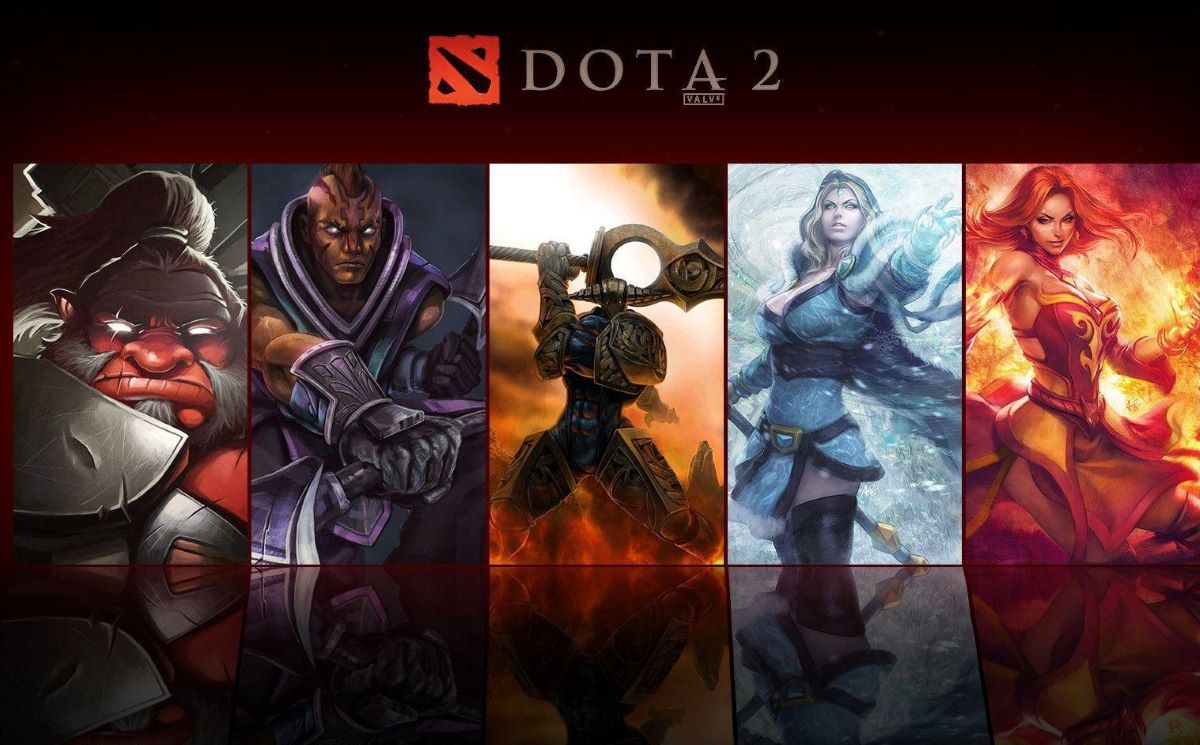
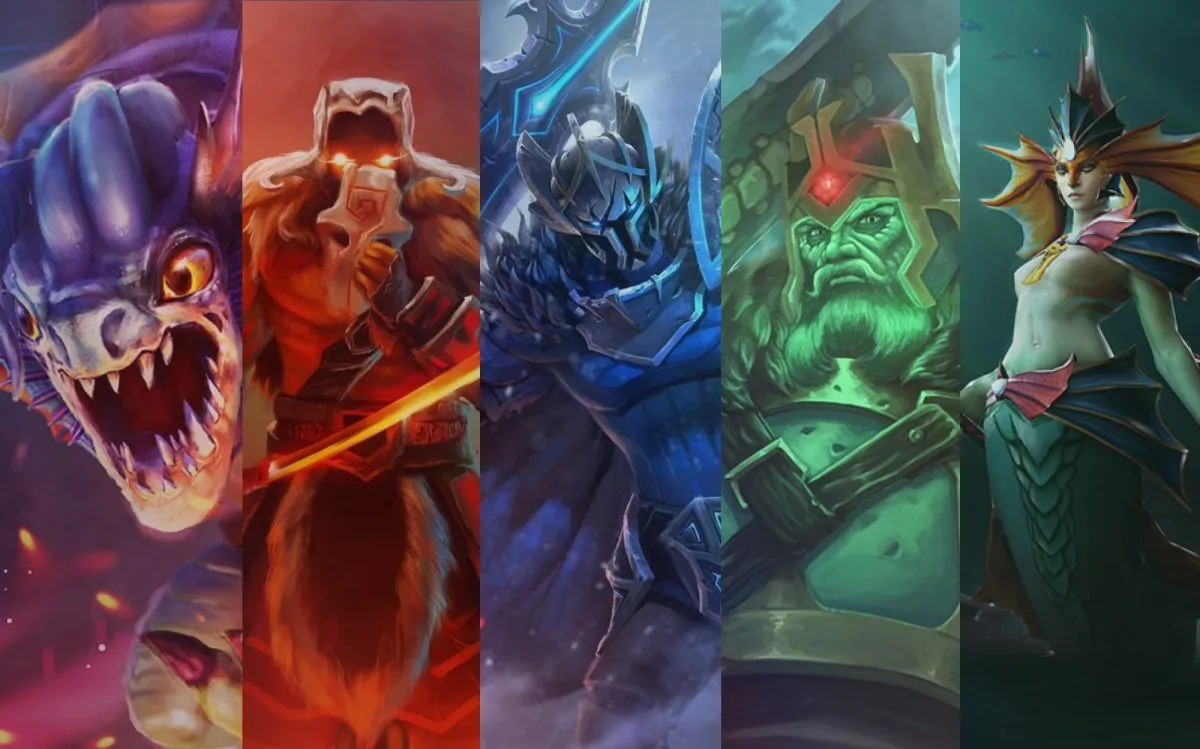
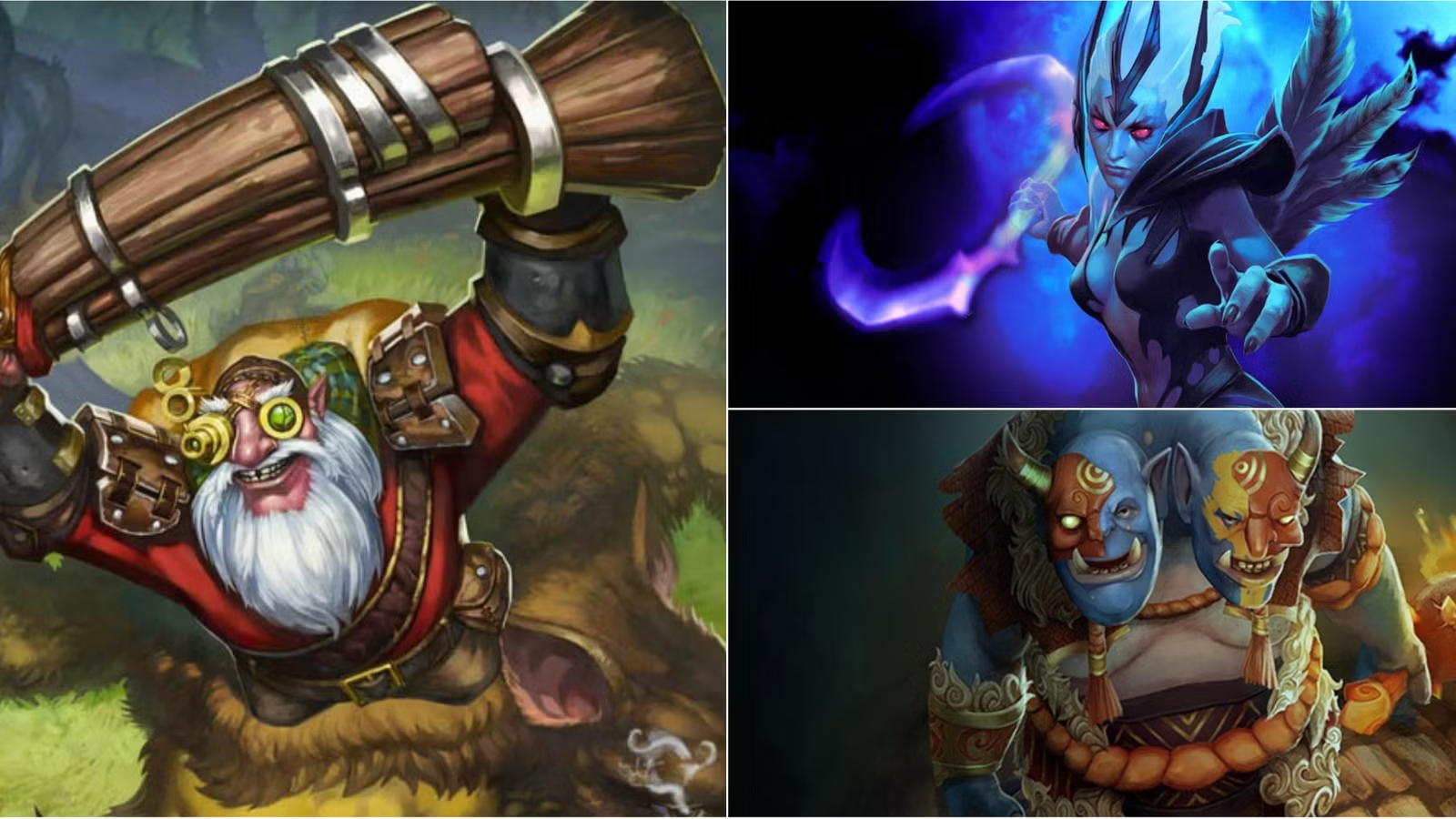
You control one hero from a roster of over a hundred, each with unique abilities, roles, and power curves. Matches pit two teams against each other with the primary objective of destroying the enemy Ancient; secondary goals include towers, Roshan, and map vision.
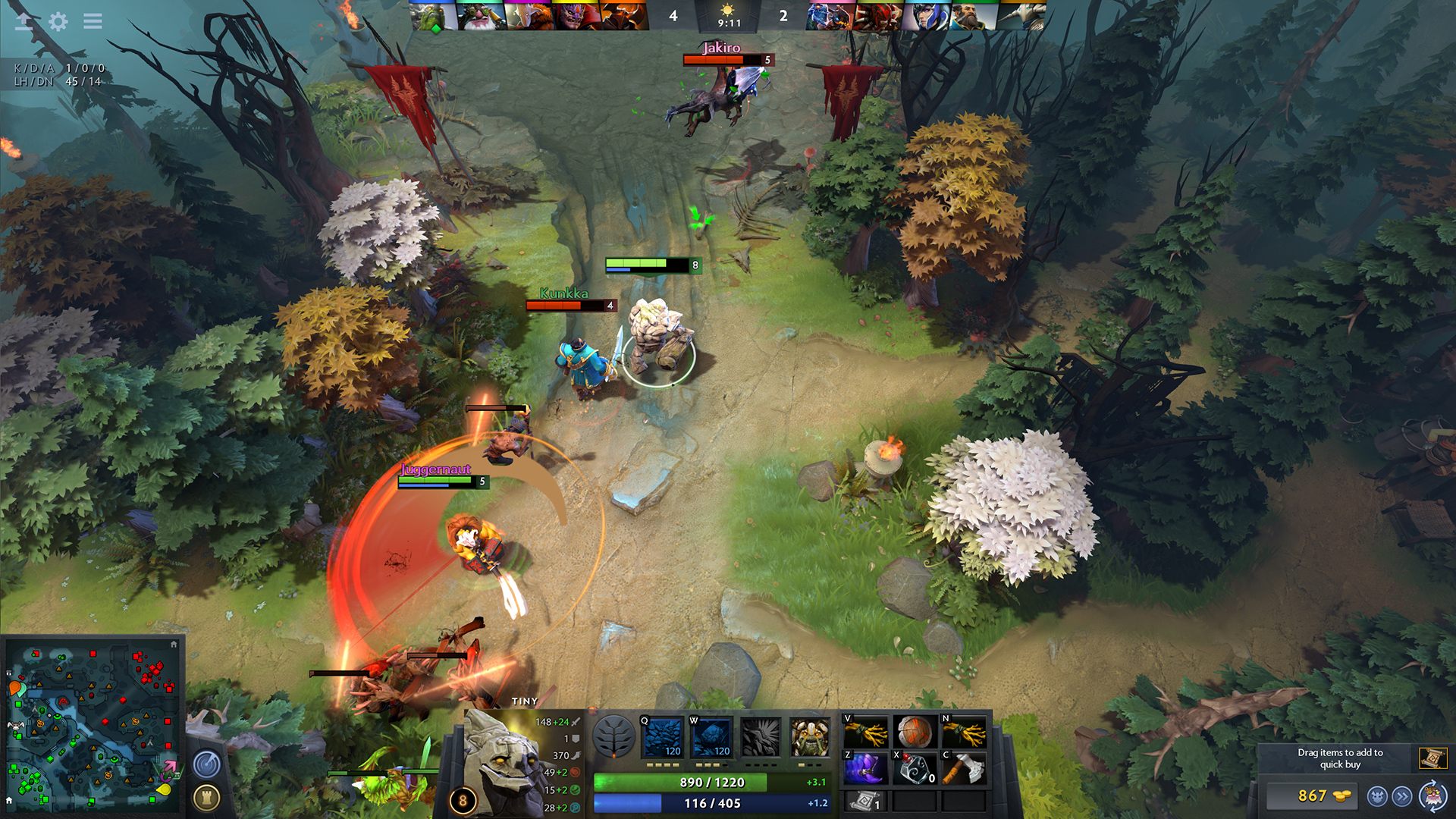
Economy and item progression matter: you earn gold from last hits, kills, and objectives to buy items that radically change your hero’s capabilities. Experience determines levels and talents; level timing influences power spikes and when you can contest objectives.
Lane phase, midgame rotations, and late-game teamfights form distinct strategic phases. You must balance farming with participation in fights, ward key areas for vision, and time spell usage around cooldowns and enemy initiation tools.
What Makes Dota 2 Unique
Dota 2 emphasizes high mechanical depth and strategic breadth. You get complex interactions: item-ability combos, spell amplification stacking, and hero-specific mechanics (like turn-rate or deny mechanics) that reward mastery and creativity.
The map includes neutral creeps with unique camps, an objective (Roshan) that grants game-changing drops, and terrain features that affect movement and vision. Talents and item reworks frequently shift viable builds, so you adapt rather than rely on a single optimal path.
Match outcomes hinge on small margins—positioning, timing, and coordination—so individual plays can swing the game. You’ll find a steep learning curve, but also room for innovation through hero synergies and situational itemization.
The eSports Phenomenon
Dota 2’s competitive scene centers on tournament play with structured leagues and open qualifiers. The International remains the marquee event known for its large prize pools and global qualification routes.
Pro play showcases specialized drafting, role assignments, and precise execution of strategies like smoke ganks, split-pushing, and high-ground sieges. Teams analyze patch notes and meta shifts to craft counters and niche picks.
You can follow regional leagues, watch live drafts and analyst breakdowns, or study professional replays to improve. Esports production includes in-game stat overlays, caster analysis, and post-game VODs that highlight decision-making and high-level patterns.
Latest Hero Updates
Patch 7.40 adds a new hero, reworks several existing heroes, and applies targeted balance tweaks that change item and talent interactions you should track in-game.
Newly Introduced Heroes
Largo arrives as the new hero introduced in 7.40. He plays as a support-oriented frog with an ability kit that can buff allies; one notable mechanic is a tongue-based cast that grants controllable, short-term enhancements to teammates. His presence changes early laning priorities because teams can leverage his buffs to secure lane dominance and contest runes more aggressively.
You should note his role flexibility: he can function as a lane babysitter or a roaming enabler depending on itemization and team composition. Learning his range, cooldowns, and best buff partners will speed up your adoption of him in pub and ranked games.
Hero Revamps and Reworks
Several heroes received significant reworks that alter their play patterns rather than small numerical tweaks. Reworks focus on clarifying ability interactions, swapping out redundant spells, and giving older heroes more distinct identities in teamfights. Expect revisions that affect casting windows, target selection, and synergies with core items.
If you play a reworked hero, test the new kit in bot matches first to relearn animation timings and spell combos. Pay attention to whether talents or baseline abilities moved between levels, since talent tree restructuring changes power spikes and ideal level timings in lane and midgame.
Balancing Changes
Balance changes in 7.40 are wide-ranging: many heroes received buffs or nerfs to base stats, ability damage, cooldowns, and talent values. For example, some talent cast ranges were adjusted slightly (a Level 20 talent cast range was decreased from +425 to +400), which affects your positioning and initiation thresholds in late game fights.
Track specific changes to your main heroes—small cast range or cooldown alterations can shift item priorities and fight timing. Use the patch notes to update your builds: a reduced talent value might make alternative talents or items relatively stronger, while cooldown reductions can enable more aggressive rotations.
Patch Changes and Their Impact
The update introduces a new hero, widespread item reworks, and balance tuning across many heroes. Expect changes to talents, neutral spawns, and map elements that shift laning, item builds, and teamfight timing.
Major Patch Highlights
Valve added a new hero, Largo, and applied major item reworks that alter core build paths for several carries and supports. Talents changed from static boosts to more situational choices on multiple heroes, so pick talents based on game context rather than default power spikes.
Key hero changes include targeted buffs and nerfs across nearly every hero pool, with some reworks that change ability interactions and cooldowns. Several high-impact items were redesigned—affecting purchase order and power spikes—and a few previously dominant items received direct nerfs.
- New hero: Largo (introduces fresh role dynamics).
- Talent system: more situational options.
- Item redesigns: shifts in core vs. luxury item timing.
Gameplay Adjustments
You will notice lane equilibrium shifts because of changes to bounty runes and creep behavior in certain patches. Lane sustain and early rotations become more valuable when neutral camp placements and experience curves change.
Many heroes received cooldown, damage, or range adjustments that alter common skill sequences. For example, reduced cooldowns can enable earlier skirmishes while increased cast times punish aggressive plays without backup.
Practical play changes:
- Prioritize scouting and early rotations when neutral camp placement favors rotations.
- Re-evaluate standard skill builds when ability cooldowns or mana costs change.
- Adjust rune control strategies around new spawn timings or locations.
Economy and Map Updates
Item reworks change gold efficiency, which affects when you aim for power spikes like Blink Dagger, Black King Bar, or core farming items. You must recompute timings for key item thresholds because recipe costs and component effectiveness shifted.
Neutral camp adjustments and potential bounty rune relocation alter jungle timings. This impacts recovery for offlaners and junglers, and it can shorten or lengthen power windows for core heroes who rely on stacked neutrals.
Actionable tips:
- Recalculate your 10/15/20 minute item goals after checking item cost changes.
- Use early map vision to secure newly valuable neutral stacks.
- Shift lane assignments if the offlane becomes easier or harder to farm due to spawn tweaks.
Effect on Competitive Meta
Pro teams will adapt draft priorities because talent and item changes change hero effectiveness in specific roles. Heroes that gain flexible talents or cheaper item paths tend to climb priority in pro drafts quickly.
Expect variations in tempo: some patches favor early aggression from heroes with buffed abilities or cheaper initiation items, while others slow the game by strengthening late-game scaling. These shifts will alter the prevalence of roaming supports, offlane tri-lane attempts, and draft counters.
What you should watch in pro matches:
- Which heroes appear as first-phase bans or picks.
- How teams time objective plays relative to revised item and neutral timings.
- Whether certain drafting trends (e.g., tempo-focused lineups) dominate after talent and item changes.
Strategies for Success After Updates
Focus on concrete changes: which heroes gained or lost damage, mobility, or utility; how item adjustments shift power spikes; and which patch mechanics create new timing windows. Use that to adjust hero picks, lane plans, and item timings quickly.
Adapting to Hero Changes
Read patch notes and test altered heroes in at least two practice matches before bringing them into ranked play. Check these specifics: damage scalings, cooldowns, mana costs, and talent tree shifts. If a carry’s damage per second was reduced but its waveclear improved, prioritize items that restore single-target damage (e.g., Desolator, Battle Fury alternatives) and delay greedy luxury picks.
Use custom lobbies to verify new animations or cast ranges that affect last-hitting or skill shots. Track how mobility or stun durations changed; shorten your initiation windows if stuns were nerfed. Adjust skill builds to match new scalings — sometimes a different max order becomes optimal.
Team Composition Tips
Build your team around the patch’s strongest roles rather than your comfort picks. If the patch buffs mobile offlaners, draft a reliable lockdown or heavy burst support to counter their roaming. Prioritize combinations that exploit the new item or talent interactions the patch introduced.
Create a simple plan: laning duo, mid control, and two-hero rotation pattern. Assign clear timings for power spikes (e.g., “take Roshan at 18–20 minutes after Aghanim timing”) and item thresholds for engages. Use a draft checklist: enemy cores’ primary damage type, your disable count, and support farming windows. Swap roles or positions if early testing shows certain heroes scale worse post-patch.
Utilizing Patch Features
Identify any new mechanics, reworked items, or changed objectives and commit to exploiting them in your game plan. If the patch introduces a contested neutral camp bonus or quicker bounty rotations, send a support to secure those timings every two minutes rather than leaving them for free farm.
Document the patch-specific timing windows for your team: when an item completes, when a talent hits, and when a neutral or map objective respawns. Practice one or two micro-strategies that leverage the feature — for example, smoke routes that take advantage of removed vision spots or push timings synchronized with newly reduced tower armor.
Community and Developer Collaboration
Valve and the Dota 2 community exchange ideas that shape hero tweaks, item reworks, and map adjustments. The collaboration channels and testing environments let you see proposals, test changes, and influence final patch decisions.
Player Feedback Integration
You can submit detailed bug reports, balance opinions, and hero suggestions through the official Dota 2 forums, subreddit, and Steam discussions. Developers monitor high‑signal threads and prioritize recurring issues like hero balance, item interactions, and matchmaking problems.
When many players point out a consistent problem—such as a hero spell timing or an item synergy—Valve often responds with targeted nerfs, buffs, or mechanical fixes in subsequent patches. You should use repro steps, match IDs, and clear examples to make feedback actionable.
Community content creators and pro players also shape decisions by publishing replays, analytics, and meta breakdowns. Valve considers that evidence alongside telemetry (win rates, pick rates, item purchases) to quantify the impact before committing to changes.
The Role of Public Test Realms
You can access the Public Test Realm (PTR) to try experimental changes before they reach live servers. PTR sessions let you test new hero abilities, talent adjustments, and item reworks in controlled matches without affecting ranked MMR.
On the PTR, track version notes and known issues posted by developers, then report crashes, balance oddities, and exploitable interactions with concrete logs. Your early testing helps catch unintended side effects—like a skill interaction that breaks lane equilibrium—so devs patch before wide release.
Developers use PTR telemetry and curated feedback to iterate rapidly. When enough testers confirm a change is stable and balanced, Valve moves it to the main client; otherwise, they refine or rollback based on your reports.
Exploring Dota 2 Patch History
Patches have repeatedly changed hero kits, item builds, and map layout in ways that affect how you draft, lane, and farm. You’ll see concrete examples of mass reworks and mechanical tweaks that shifted pro play and pub habits.
Noteworthy Past Patches
Patch 7.00 introduced the Talent Tree and map Shrines, altering hero progression and objective timing. That change forced you to reconsider level power spikes and item timing because talents often replaced or augmented traditional item thresholds.
Later patches like 7.38 and 7.40 added hero reworks and major item overhauls. For example, 7.40 introduced a new hero and broad item changes that rewired common build paths; 7.38 adjusted multiple hero abilities, reshaping lane matchups. Valve’s iterative patches (7.39e, 7.40c, etc.) frequently target specific balance issues, so you must track minor hotfixes as well as headline updates.
Undocumented tweaks also appear between official changelogs. Community discovery of these small changes can give you an edge if you adapt faster than opponents.
Evolving Game Dynamics
Patches affect meta through three main vectors: hero power shifts, item rebalances, and neutral camp adjustments. When talents change or an item is reworked, you’ll notice new core-vs-support roles and different tempo windows in both pro and pub games.
Neutral creep and map adjustments change contested timings for objectives like Roshan and Bounty Runes. You’ll alter warding and rotation patterns accordingly. Small cast‑range or damage tweaks can flip a hero from situational pick to meta staple, so monitor patch notes and play a few games to internalize mechanical changes.
Use a checklist after each patch: read changelogs, test hero interactions, and update your item builds. That practice helps you convert patch changes into consistent in-game advantage.
Future Trends in Dota 2 Updates
You can expect updates to focus on long-term balance rather than one-off power spikes. Valve has shown a pattern of introducing major patches that reshape drafts and neutral item pools, and that approach will likely continue.
Expect more hero introductions and targeted reworks that change playstyles. New heroes like Largo (patch 7.40) illustrate how a single addition can alter roles and draft priorities.
Matchmaking and tournament systems will keep evolving to support competitive integrity. Changes to Captain’s Mode and pick/ban systems suggest ongoing refinement for pro and ranked play.
User experience improvements will appear alongside gameplay changes. Look for UI, Ability Draft, and QoL tweaks that make the game easier to follow and manage during long seasons.
Emerging tech could influence features you use daily. Better telemetry, anti-cheat, and spectator tools may arrive to improve fairness and the viewing experience.
Patch cadence will remain variable — sometimes small, frequent fixes; sometimes sweeping seasonal updates. You should monitor patch notes closely to adapt strategies and item builds.
- Bold shifts: hero additions, map reworks, and neutral pool overhauls.
- Steady changes: balance tweaks, UI improvements, and matchmaking refinements.
- Possible new areas: enhanced spectator tools and anti-cheat measures.
You’ll benefit most by staying flexible with hero pools and practicing new interactions quickly after major patches.