





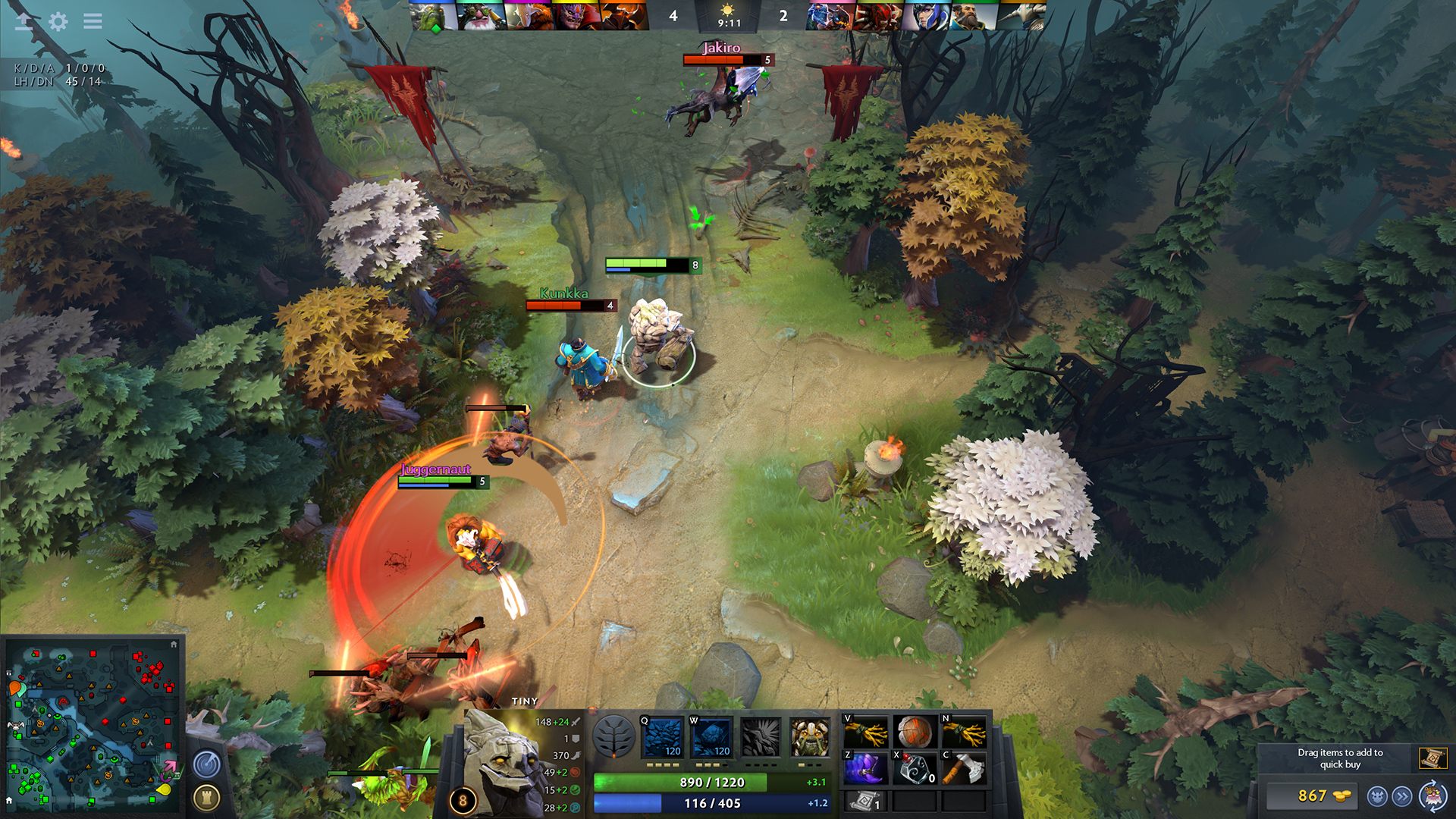
You jump into ranked Dota 2 to test your skills, learn from each match, and climb a visible ladder that rewards consistency and smart play. Ranked mode challenges you with teammates, opponents, shifting metas, and high-stakes decisions—mastering those elements is the fastest way to improve your rank and game sense.
This article breaks down how ranked works, why tough matches sharpen your play, practical strategies to win more often, and how to track progress without burning out. Expect clear tips on individual improvement, common pitfalls to avoid, and ways to keep motivation high while chasing better matches and better rewards.
Understanding Ranked Mode in Dota 2
Ranked matches put your individual match performance, role choice, and teamwork under measurable evaluation. Expect a structured rank ladder, role-specific matchmaking, and MMR changes that reflect wins, losses, and teammate influence.
What Is Ranked Mode
Ranked Mode is Dota 2’s competitive queue that assigns you a visible Rank Medal and hidden Matchmaking Rating (MMR). You join a team of five and the system pairs you against opponents with similar MMR to produce balanced, meaningful matches.
You must meet account requirements to unlock ranked (level and game history), and new players often start in calibrated placement games. Games can be more intense than unranked: teammates expect role discipline, lane priorities, and objective-focused play.
Match outcomes change your MMR and can move your Rank Medal over time. Expect communication pressure, reported toxicity, and a steeper learning curve; but also clearer feedback on skill progression through tangible rank movement.
Ranking System Overview
Dota 2 uses MMR as the numeric skill metric and Rank Medals as the visible tiers players see. Medals run from Herald up to Immortal, with several divisions inside each medal (e.g., Gold I–III). Your MMR increases when you win and decreases when you lose, and calibration matches set your initial MMR.
Several factors influence matchmaking beyond raw MMR: party size, recent performance volatility, and role selection can affect match balance. Solo MMR and party MMR may differ, so your medal reflects the queue you play most.
Valve occasionally applies decay rules, seasonal resets, or calibration adjustments; stay aware of patch notes. Consistent wins on a main role move your MMR faster than sporadic, role-swapping play.
Types of Ranked Roles
Ranked enforces role selection to improve match balance: core roles (Safe Lane Carry, Mid, Offlane) and support roles (Soft Support, Hard Support). When you pick a role, matchmaking attempts to assemble a team with complementary positions and lane assignments.
Each role demands different priorities: carries farm and scale into late game; mids control tempo and rune control; offlaners interrupt enemy cores and create space. Supports manage wards, map vision, and item timing for team fights.
Choose roles you play reliably to minimize MMR loss from unfamiliar play. Communicate your preferred role before the match starts and plan itemization and lane matchups to maximize your team’s win probability.
The Allure of Challenging Matches
Competitive matches push your decision-making, mechanical skill, and teamwork under pressure. They offer measurable progression through ranks, force you to adapt to better opponents, and expose you to tighter coordination and sharper strategies.
High Stakes and Rewards
Ranked matches tie your visible skill to a number or tier, so each win or loss directly affects your standing. That ranking system motivates you to improve specific habits — last-hitting under pressure, timely warding, or clutch spell usage — because small errors now cost tangible progress.
Rewards go beyond leaderboard movement. You earn seasonal rewards, profile badges, and better matchmaking quality as you climb, which makes practice feel worthwhile. You also get clearer milestones: calibrating MMR, hitting landmark brackets, and unlocking season-end items give concrete goals for your play sessions.
The pressure of high-stakes games teaches discipline. You learn to prioritize objectives, manage tilt, and make cleaner shotcalls. Those skills transfer to solo queue and coordinated team play alike.
Community Competitiveness
Ranked environments concentrate players who care about results, so you’ll face opponents with sharper game sense and teammates who demand higher standards. That raises the baseline skill level in every match and exposes you to diverse hero counters, meta tactics, and role expectations.
You interact with a large pool of players from casual to semi-pro. Observing stronger players and reviewing replays helps you identify recurring mistakes and adopt efficient habits. You also encounter more constructive feedback and, sometimes, harsher criticism — both can accelerate improvement when you filter them objectively.
Competitive communities organize clutches, scrims, and small tournaments. Joining those gives you structured practice and a chance to test specific strategies under consistent conditions, which speeds up your progress more than random matchmaking alone.
Evolving Gameplay Dynamics
Ranked play forces constant adaptation as the meta shifts with patches and player creativity. You’ll notice how item builds, lane matchups, and timing windows change, and you must update your champion pool and play patterns accordingly.
Each rank introduces new tactical layers: coordinated smoke plays, high-precision rotations, and timing-dependent objective control become more common. You learn to read enemy item timings, exploit vision gaps, and execute layered strategies like baiting and burst sequencing.
This environment rewards analysis. Tracking patch notes, studying pro games, and iterating on your builds help you stay competitive. As you refine your habits, you’ll leverage small efficiencies — faster pull timings, cleaner spell combos, better resource management — to convert narrow advantages into wins.
Effective Strategies for Ranked Success
You need clear hero choices, defined team roles, and flexible in-game tactics to win more ranked matches. Focus on drafting priorities, role clarity, and adapting to enemy builds and tempo.
Drafting and Hero Selection
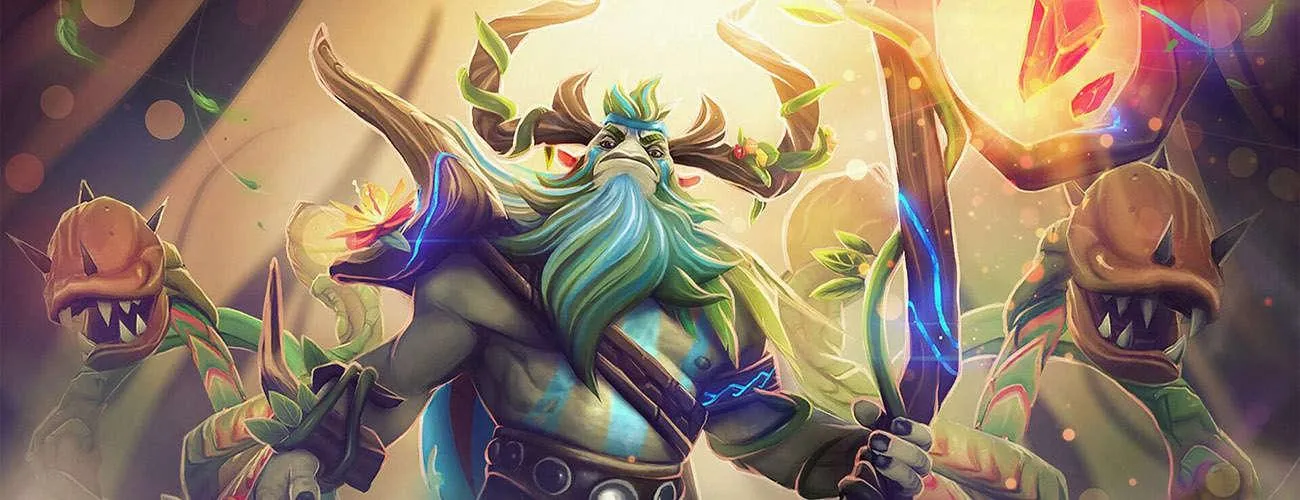
Prioritize a win condition and pick heroes that directly support it. If you plan a pushing strategy, pick early-game wave clear and tower hitters like Nature’s Prophet or Death Prophet. For teamfight control, choose reliable initiation and AOE like Puck or Tidehunter.
Use counter-pick logic: deny core heroes that scale better than your lineup, and target silences or stuns if the enemy relies on spellcasters. Balance your draft across three needs: laning stability, mid-game tempo, and late-game carry potential. Communicate bans and first two picks with your team to avoid overlapping roles.
Consider comfort and matchups. If you’re a high-skill mid player, take a hero you can outplay with rather than a meta pick you don’t practice. Track enemy item timings in draft when possible (e.g., expect Pipe against heavy magic lineups) and adjust picks accordingly.
Role Assignment and Team Coordination
Lock roles early and state your intentions in a single clear sentence: “I’ll solo mid on Puck, pick a roaming support.” That prevents role conflicts and wasted pick time. Assign one shot-caller for objectives—tower, Roshan, or high-ground attempts.
Use concise callouts during the match: “Smoke now,” “Roshan 30s,” or “Enemy mid missing.” Prioritize vision: put Observer Wards on high-traffic choke points and Sentry Wards to deny key enemy wards. Rotate supports to secure runes and contest enemy vision every two minutes.
Align item goals with assigned roles. If you’re the position 1, state your core timing (e.g., “I’ll have Battle Fury at 20–25 min”). Supports should list crucial items like Glimmer Cape or Force Staff and the timing for them. Keep comms positive and information-focused to maintain coordination under pressure.
Adapting Gameplay Tactics
Track power spikes and change objectives around them. If an enemy core finishes an early Black King Bar, avoid fights and instead pressure other lanes or take safe objectives. When your core hits a key item (Blink, BKB, Aghs), look for windows to force teamfights or Roshan.
Switch playstyle based on vision and map control. If you control most ward spots, prioritize pickoffs and Roshan. If enemy vision dominates, play defensively: farm safer, deward, and wait for smoke opportunities. Always optimize farm efficiency—stack camps and pull waves when you’re behind to catch up.
React to enemy itemization and draft by adjusting builds and timings. Buy a Silver Edge or Monkey King Bar against specific threats. If the enemy runs heavy magic damage, prioritize Pipe or Hood on cores and early Mek/Glimmer on supports.
Improving Individual Performance
Focus on precise execution, decision timing, and clear in-game actions that directly affect your impact. Prioritize repeated practice on chosen heroes, consistent vision routines, and concise communication patterns to raise your rank.
Mastering Hero Mechanics
Pick 2–3 primary heroes for each role you play and learn their exact ability ranges, cooldowns, and cast points. Practice last-hitting and deny timing in a custom lobby until you hit consistent creep scores at 10 minutes for your hero’s expected pace.
Learn item timings: know when to buy core items (e.g., Power Treads at ~8–12 min on many carries) and which situational items counter enemies (e.g., BKB vs heavy disables).
Train spell combos in bot matches until you can execute them under pressure without thinking. Review replays to spot missed stuns, misplaced nukes, or wasted ultimates and make one mechanical goal per session (better orb-walking, quicker blink timing, cleaner leaflet micro).
Efficient Map Awareness
Check the minimap every 4–6 seconds and make map checks a habit tied to actions (after every last hit, after casting a spell, or when returning to base). This cadence helps you spot rotations, missing opponents, and jungle timings.
Use quick pings: place vision pings for missing enemies, and danger pings for incoming ganks. If you play support, prioritize wards at rune spots and common smoke paths; if core, buy a sentry when a visibility item counters enemy invis.
Track cooldown-heavy enemy spells and ultimates on the scoreboard mentally; avoid fights when key enemy abilities are up and engage when they’re down. Keep lane equilibrium in mind to reduce gank exposure.
Communication Skills
Send short, actionable messages only: “Smoke top 0:30,” “TP mid 10s,” or “Focus LC, he has BKB.” Avoid long chat; it distracts and wastes time.
Use voice or quick chat for critical calls—initiations, retreats, or item timings—and confirm team intent with a single follow-up ping. Assign one player to call Roshan attempts and control vision around the pit.
Keep tone neutral and task-focused. If you need cooperation, suggest clear steps: “I’ll stun, you follow with AOE,” or “We group after my next item.” This reduces confusion and increases the chance teammates execute coordinated plays.
Overcoming Common Ranked Challenges
You will face pressure, player conflict, and inconsistent performance in ranked games. Practical routines, simple communication tools, and mental adjustments reduce mistakes and keep you climbing.
Dealing with Pressure and Tilt
Recognize tilt early: notice faster heartbeat, tunnel vision, or grip tightening. Pause for one minute between games to breathe, drink water, and reset your focus. Short physical breaks lower cortisol and restore decision clarity.
Set process goals, not only wins. Track metrics like last-hits, ward placements, or deaths per game. Review one replay highlight each session to identify a single habit to improve, then practice that in unranked or bot matches.
Use small rituals to enforce calm—consistent champion pool, a warmup game, or a 3-minute microbreak routine. If you feel tilt mid-game, mute nonessential chat, simplify your role (farm safely, avoid risky plays), and call for basic help (ping missing, request smoke). These actions reduce catastrophic errors and let you recover control.
Managing Toxicity and Conflict
Disable chat or mute repeat offenders quickly; you keep core communication (pings, item/ability signals) active. Use short, constructive pings: “Careful” and “Gank top” are more effective than long messages that escalate conflict.
When you must respond, use calm, specific language: “Swap lane? I need help vs. their stun” instead of blaming. Offer concrete fixes—ward here, wait for cooldowns, bait Roshan only when we have vision. Focus on actionable information, not emotion.
If a teammate refuses teamwork, adapt your plan: play safe, farm, and prioritize objectives you can secure solo (push a lane, take safe jungle camps). Report abusive behavior after the match with timestamps or screenshots when possible; that enforces community standards without dragging you into arguments.
- Quick checklist for toxicity:
- Mute offenders immediately
- Keep pings clear and short
- Offer one actionable suggestion per conflict
- Report after game if needed
Rewards and Progress Tracking
You gain tangible season-based items and visible rank markers while the system logs your MMR and recent activity. Rewards depend on end-of-season rank and participation, while progress tracking uses MMR, medals, and Rank Confidence to show where you stand.
Earning Seasonal Rewards
You earn seasonal rewards by finishing the ranked season with a medal or in a top bracket. Typical rewards include exclusive cosmetic items (courier, HUD elements, sprays), seasonal chests or treasure drops, and badge-style profile decorations tied to your highest medal that season.
To qualify, you must complete placement matches and meet any playtime thresholds set by the season—active participation matters. Valve often ties special Immortal-tier rewards to leaderboard positions, so pushing into top tiers yields rarer items.
Rewards are granted retroactively at season end and appear in your inventory or profile. Keep in mind that some cosmetics are account-bound and cannot be traded, while leaderboard prizes or tournament-linked skins may have additional eligibility rules.
Tracking Rank Advancement
Your primary progress metric is Matchmaking Rating (MMR), a numeric value that rises or falls after each ranked match. Medals reflect MMR ranges visually; your medal updates when your MMR crosses the bracket thresholds.
Rank Confidence (when shown) indicates stability of your displayed rank—low confidence can hide precise progression until you play more games. Monitor your recent match history and win/loss streaks to understand short-term MMR trends.
Use in-game profile pages and third-party trackers (Dotabuff, official leaderboards) to see distribution, recent matches, and top-500 standings. Track your division activity over the past 21 days to ensure your displayed division matches your current play pattern.
Staying Motivated and Enjoying the Game
Keep focus on small, actionable targets and make room for light, enjoyable sessions so Dota 2 stays rewarding instead of draining. Use concrete goals and simple rules to keep progress visible and frustration manageable.
Setting Personal Goals
Define measurable goals tied to specific actions, not vague rank targets. For example: “hit 60% last-hit rate on midlane by training 20 minutes daily” or “complete five hero-specific replay reviews each week.” Track these in a simple checklist or spreadsheet so you can see improvement over time.
Break larger goals into short-term milestones. Plan a weekly micro-goal (practice a single combo, master one item timing) and a monthly skill goal (improve map awareness, reduce deaths per game). Review replays after each session and note one thing to repeat and one thing to change.
Reward progress with small, immediate incentives. Give yourself a break, a fun unranked game, or a new cosmetic when you reach milestones. Clear, routine goals reduce tilt and keep your practice efficient.
Balancing Fun and Competition
Decide beforehand which sessions are competitive and which are for enjoyment. Use a simple rule: if you feel tilted or tired, switch to unranked or a hero you enjoy to reset mentally. This prevents poor ranked performance and preserves long-term motivation.
Use role variety to keep the game fresh. Rotate between a main role for ranked consistency and a fun secondary role for creativity and stress relief. Limit queued ranked games to a set number per day and take scheduled breaks after each one.
Keep social incentives in your routine. Queue with a trusted duo partner for coordinated play or join a small, positive community for casual practice. Social support reduces frustration and makes both wins and losses feel less personal.