


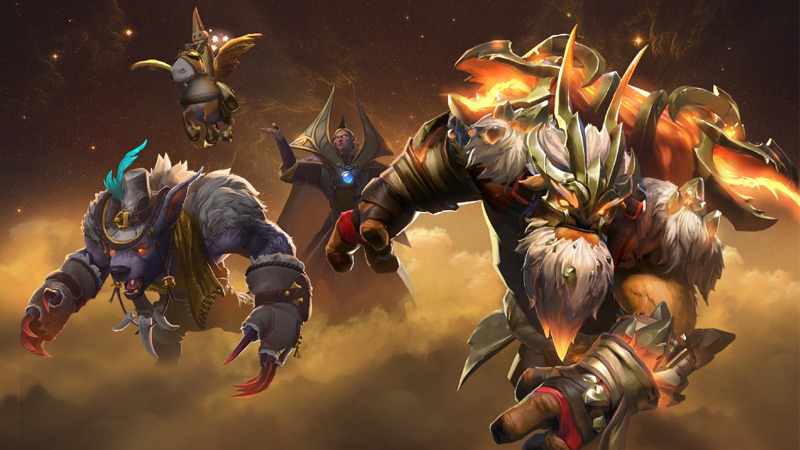
You’ll jump into Dota 2 whether you want a deep competitive challenge or a fun team game to master with friends. Dota 2 rewards clear mechanics, smart item choices, and teamwork—so focusing on last hits, role basics, and communication gives you the fastest path to consistent wins. This article guides your first steps while also pointing you to advanced tactics that pros use when the meta shifts.
Expect concise, practical advice on what Dota 2 is, how to start effectively, how to pick and play roles, and how to communicate in-game. You’ll also find pointers for studying pro play, tracking updates that change the meta, and resources to keep improving your skills.
What Is Dota 2?
Dota 2 is a team-based, competitive match where two teams of five control individual heroes, buy items, and fight to destroy the enemy’s base. You will manage gold, levels, map vision, and team fights while adapting hero builds and strategy each game.
Overview of Dota 2
Dota 2 is a free-to-play multiplayer online battle arena (MOBA) developed by Valve and released in 2013. Each match places two teams of five on opposite sides of a symmetric map, each defending a central structure called the Ancient.
You pick one hero from a pool that exceeds a hundred choices, each with unique abilities and a defined role (carry, support, mid, offlane, etc.). Heroes gain experience and gold to buy items that change their strengths and playstyle mid-match.
The map contains three lanes, jungle camps, Roshan (a powerful neutral boss), and wardable terrain for vision. Game length varies from 20 minutes to over an hour depending on team composition and objectives.
Gameplay Fundamentals
You start each match with basic gold and experience that you increase by last-hitting creeps, securing kills, and controlling map objectives. Last-hitting grants most of the gold you need for core items; denying prevents enemy experience and gold.
Items amplify strengths or plug weaknesses; you must choose builds that fit the hero, enemy lineup, and game pace. Communication and timing—when to take Roshan, push towers, or smoke for ganks—often decide matches more than raw mechanics.
Map awareness relies on vision (observer and sentry wards), rune control, and cooldown tracking. Successful teams rotate to create numerical advantages, punish overextensions, and convert small advantages into objectives like towers and barracks.
Difference Between Dota 2 and Other MOBAs
Dota 2 emphasizes complexity and mechanical depth compared with many other MOBAs. You can deny your own creeps, buy back into a match after death, and control terrain with abilities that change pathing and vision.
Item interactions and hero synergies often create large, non-linear power spikes; a single item can dramatically alter how a hero functions. Neutral items and Roshan drops add unpredictable elements not present in simpler MOBAs.
Match variability in Dota 2 remains high because heroes, items, and map control interact in many ways. That makes the learning curve steeper, but it rewards strategic adaptation and in-game decision-making over fixed role templates.
Getting Started for New Players
Learn key mechanics like last-hitting, map awareness, and item timing. Pick simple heroes that match a clear role, and practice a few reliable item builds and warding spots.
Essential Mechanics to Learn
Focus first on last-hitting and deny timing. Practice in a bot match for 10–15 minutes to hit consistent last hits under turret and in lane trades. Track your creep score (CS) each game and set small goals: +10 CS per match until you reliably exceed 50 by 10 minutes.
Map awareness matters more than raw kills. Keep the minimap visible, check it every 5–10 seconds, and learn common ward locations. Ping before you rotate and watch enemy movements to avoid ganks.
Learn basic cooldown and mana management. Know when your spells are effective in fights and when to wait for items like Magic Wand, Boots, or a core component. Practice last-hitting, pulling neutral camps, and contesting runes on the side.
Choosing Your First Heroes
Start with a small pool of easy-to-learn heroes: for carry try Phantom Assassin or Juggernaut; for support try Crystal Maiden or Lion; for offlane try Bristleback. These heroes have straightforward kits and clear item progressions.
Limit yourself to three heroes per role at first. Master their laning patterns, power spikes, and common item timings (e.g., Battle Fury timing for carries, Force Staff/Blink timings for supports). Use the hero’s built-in strengths: survivability, simple stun, or strong scaling.
Review recommended item builds in the in-game guide, then tweak based on enemy composition. Practice each hero in bot matches, then unranked games, to build muscle memory for combos and positioning.
Beginner Tips and Tricks
Prioritize objectives: towers, Roshan, and map control matter more than kills. When you secure a kill, use the window to take a tower or place aggressive wards rather than chasing for another kill.
Communicate concisely with pings and short text messages. Call missing enemies, cooldowns, and intended plays. Save buyback and track your team’s gold so you can decide whether to contest a late Roshan or defend high ground.
Use simple item progression: Boots → Magic/Wand → Core item. Buy detection (Sentry/Dust) when facing invisibility. Place wards at common spots: river rune, enemy jungle entrance, and high-ground approaches. Practice rotations and timings rather than trying to master every hero mechanic at once.
Advanced Strategies for Pro Players
You must execute precise shot-calling, pick/ban sequencing, and vision timing to convert small advantages into objectives. Focus on coordinated timings, predictable enemy patterns, and controlled information denial.
Team Coordination and Communication
Use short, specific callouts tied to game time and item spikes. Say things like “Roshan 8:30 with Aegis window” or “Silencer BKB peak at 20:00” so teammates can align buybacks, smoke, and warding.
Adopt role-based responsibilities: one player handles warding/dewarding, another tracks enemy ultimates, and a designated shot-caller commits to objective timing. Keep comms concise — use pings plus a 1–3 word voice cue for immediate reactions.
Practice pregame plans for common scenarios (e.g., 5-man mid vs split-push) and rehearse them in scrims. Review replays to timestamp failures in communication, then assign corrective tasks for the next match.
Complex Drafting Techniques
Draft with a clear win condition: lane dominance, timing push, teamfight scaling, or split-push. Identify two heroes that enable your plan (core + tempo hero) and four heroes that cover counters and power spikes.
Use counter-drafting: if enemy picks heavy initiation, prioritize silences or vision tools; if they pick global heroes, draft reactive save (e.g., Oracle, Abaddon). Plan item timings into your draft — lanes that secure early farm should be paired with heroes that convert that farm into objectives before enemy cores peak.
Consider pick sequencing to bait reveals: pick an ambiguous mid or offlane to force swaps, then lock in a final carry that exploits opened counters. Keep an eye on draft redundancy and avoid multiple heroes that require identical farm timings unless you can guarantee space.
In-Depth Map Control
Prioritize ward spots that secure both farm and aggression routes: safe lane tri-ward, enemy jungle deep ward, and Roshan flank ward. Time dewarding around the enemy’s expected smoke windows to deny their movement information.
Control creep equilibrium to force favorable trades and limit enemy vision. Pull and block waves to keep lanes where you want them, then use smoke at precise minute marks when key items or ultimates come online.
Assign one player to track enemy jungle movements via minimap cues and ingame timers. When you gain vision superiority, convert it into towers or Roshan within the enemy’s buyback timers to maximize objective value.
Hero Roles and Selection
You need clear role responsibilities, hero examples, and simple counters to pick heroes that fit your team and match your skill level. Focus on what each role must do in lane, mid-game, and late-game, and choose heroes that match those tasks.
Role Breakdown: Carry, Support, and More
Carries scale with farm and items; your job is last-hitting, avoiding risky trades early, and positioning to deal damage in fights. Typical carries (e.g., Phantom Assassin, Wraith King) need safe farm priority and vision control to reach power spikes.
Supports focus on map control, vision, and enabling cores through saves, disables, and utility. You must buy Wards, Smoke, and defensive items while managing lane pulls and rotations.
Offlaners absorb pressure, create space, and initiate fights. You should pick durable or disruptive heroes (e.g., Axe, Bristleback) who can contest farm and force enemy reactions.
Midlaners control tempo through levels and item timing. Your role often dictates pacing—roam if you win lane, farm if you don’t.
Roamers and junglers vary, but the core idea stays: choose heroes that fulfill a clear economic and tactical role for your lineup.
Popular Heroes for Each Role
Use this quick reference to match hero strength with role expectations.
- Carry: Phantom Assassin (high single-target damage), Wraith King (forgiving playstyle with Reincarnation).
- Mid: Dragon Knight (tanky, push power), Shadow Fiend (high damage with farm).
- Offlane: Axe (initiation and lane presence), Bristleback (sustained teamfight pressure).
- Support (hard): Lion (single-target burst, disables), Lich (lane control, teamfight ult).
- Support (soft/roamer): Ogre Magi (buffs, kill potential), Witch Doctor (healing and strong ult).
Pick heroes you understand mechanically. Prioritize one or two per role and learn their timing, item builds, and common skill sequences. Match hero strengths to your team’s win conditions, like pick-off, teamfight, or split-push.
Counterpicking Strategies
Counterpicking starts with identifying enemy win conditions and removing their comfort heroes.
- Target the enemy core: pick silence or dispel if they rely on channeling ultimates.
- Exploit weaknesses: choose magic-heavy lineups against low-magic-resistance cores.
- Lane counters: pick strong lane dominators (e.g., Lich vs. weak offlaners) to deny farm.
Use simple items as counters: Eul’s to interrupt or reposition, Black King Bar against crowd control, and Force Staff to escape single-target disables.
Coordinate with teammates to avoid redundant picks; three melee carries with poor initiation often fail.
Adapt mid-game: if the enemy drafts split-push, pick heroes with wave clear or TP response.
Effective In-Game Communication
Clear, timely signals and concise voice calls let you coordinate ganks, objective timings, and item timings without cluttering team focus. Use pings for location and urgency, short text for precise numbers, and voice only for fast, high-value decisions.
Ping and Chat Usage
Use pings as your primary spatial tool. The standard attack, danger, and on-my-way pings convey intent faster than text. Ping the rune spot, neutral camp spawn times, and enemy missing lanes to keep teammates synced.
Keep chat messages numeric and short. Write exact cooldowns, enemy item timings (e.g., “Blink 45s”), or smoke status (“Smoke used bot 0:12”). Avoid long strategy blocks in chat; save that for pauses between fights.
Configure ping settings so quick pings show both the icon and your voice bar when you mean urgency. Use the minimap ping for rotation calls and the hero ping for target focus. Disable excessive auto-pings from teammates when possible.
Voice Comms Best Practices
Speak only when value is high: calls for rotations, ultimates ready, or immediate danger. Use a calm, firm tone and name targets or objectives explicitly (e.g., “Focus Medusa, hex now,” or “Roshan in 30s”).
Assign one shot-caller for mid-fight commands to prevent conflicting orders. If you share shot-calling, prefix calls with role tags like “Support”—this clarifies authority and reduces confusion.
Mute toxic players quickly and still relay essential info via pings or text. Use push-to-talk if your microphone environment is noisy. Keep messages under 3 seconds whenever possible to avoid voice overlap.
Common Communication Mistakes
Don’t spam pings or long chat logs during fights; it distracts and obscures key information. Repeated panic pings reduce their effectiveness, so reserve them for real immediate threats.
Avoid vague instructions like “group up” without a location or timing. Vague calls force teammates to guess and cost positioning. Always include who, where, and when.
Don’t micro-manage teammates’ item builds or plays mid-game. Critique after the match with specifics instead of blaming during key moments. If you must criticize in-game, keep it constructive and strictly about actions that affect the current objective.
Learning from the Dota 2 Community
You can improve fastest by studying competitive play, watching skilled streamers, and getting targeted feedback from coaches. Each source gives specific, actionable lessons: strategy choices, mechanical tricks, and how to fix persistent mistakes.
Professional Tournaments
Watch major tournaments like The International, Majors, and regional LANs to learn draft priorities, timing windows, and common item/skill builds at each patch. Focus on how teams handle objectives (Roshan, towers), lane matchups, and power spikes around key items such as Blink Dagger, Black King Bar, or Aghanim’s Scepter.
Pay attention to position-specific behavior. Observe how carries pace farming, how midlaners trade for tempo, and how supports rotate and secure vision. Take short clips of crucial plays you want to emulate and practice them in custom lobbies.
Use tournament VODs with pause-and-analyze. Note exact timestamps for fights and drafts, then map those moments to your own games to identify situations where you can apply the same decision-making.
Streaming and Content Platforms
Follow high-skill streamers and creators who explain decisions live. Look for channels that show replay analysis, itemization rationale, and communication patterns during matches. Twitch and YouTube creators like coaches, pro players, and analytical channels often break down common mistakes and give patch-specific advice.
Use streamer clips to learn micro skills: animation canceling, creep aggro tricks, and spell combos. Save VOD segments and rewatch them at 0.5x or frame-step to study mechanical execution. Subscribe to creators who post detailed patch guides and hero-specific playlists to track meta shifts.
Balance entertainment and learning. Watch full games when studying macro play and short clips for mechanics. Follow creators from your skill bracket and above to get realistic, applicable examples.
Coaching and Mentorship
Hire a coach or join a mentorship group for personalized, rapid improvement. A coach can review your replays, point out recurring errors (warding patterns, poor item timing, or positioning), and give step-by-step drills to correct them. Look for coaches with verified match histories or positive client feedback.
Use structured sessions: pre-game goals, focused replay review, and post-session drills. Ask for a prioritized list of three things to work on per week and measurable targets (e.g., increase CS/10 by X, reduce deaths in first 15 minutes). Join small study groups or Discord servers where peers exchange replays and run guided scrims for practical experience.
Game Updates and Meta Evolution
Patches change hero strengths, item viability, and lane priorities; they also alter timing windows for power spikes and teamfight composition. You need to track patch notes, pro trends, and item reworks to keep your drafting and in-game decisions effective.
Recent Patch Highlights
Patch 7.40c (example) adjusted several core items and buffed underpicked heroes, changing common build orders. Item changes such as reduced cost on mobility items and cooldown tweaks on teamfight tools sped up rotations and favored aggressive smoke plays.
Several heroes received direct buffs: previously sidelined carries got base stat increases and talent improvements, while a few meta staples had damage or utility nerfs. These changes shifted win-rate charts in pubs and affected pro pick rates within a week.
UI and matchmaking tweaks also appeared: faster rematch queues and clearer ability tooltips improve clarity for new players. You should read the official patch notes and a trusted patch breakdown article to see exact numbers and sample builds before you adjust your hero pool.
How the Meta Shifts
The meta shifts when multiple small changes compound: a nerf to a dominant support item can lower roaming frequency, which in turn increases safe-lane farm rates. Watch match data for patterns—win rates, pick rates, and average game length reveal whether the meta favors early skirmish or late-scaling lineups.
Pro teams catalyze shifts by discovering niche combos or positional swaps that exploit new values. You’ll notice trends in high-level play first: heroes that win in pro scrims often trickle down into pubs within two to three weeks.
Keep an eye on three metrics: pick rate, win rate, and performance by patch. Use sites that track hero-specific benchmarks so you spot emergent strategies before they become mainstream.
Adapting to Changes
Adjust your hero pool to include two flexible picks that cover multiple roles—one tempo-oriented and one late-game scaler. Practice new item timings in unranked matches to internalize power spikes; a single item change can alter optimal farming patterns.
Update your build orders and skill priorities after reading patch tooltips and watching a few pro games or high-MMR vods. Communicate with teammates about role swaps and lane matchups during draft and pre-game to exploit weakness created by recent nerfs or buffs.
Use a checklist each patch: read patch notes, update item and talent choices, test in 5–10 games, then refine. This method keeps your play current without forcing you to relearn every match from scratch.
Recommended Resources for Continuous Improvement
Focus on practical, regularly updated resources that teach hero mechanics, analyze your matches, and track progress over time. Use step-by-step guides, replay analyzers, and stat sites to build habits and measure improvement.
Guides and Tutorials
Choose guides that include lane-specific plans, item and skill timing, and concrete combos for each hero. Look for sources that update for current patches and show example replays or timelines.
Use multilingual guides if English isn’t your first language; Spanish and Indonesian resources often provide clear regional meta takes.
Prioritize guides that list power spikes (levels and items) and tell you what to do at each spike—push, farm, gank, or group.
Practice the recommended ability and item combos in a demo lobby until muscle memory forms. Follow a few trusted authors rather than trying every guide you find; consistency beats random advice.
Analytical Tools
Run your replays through tools that highlight deaths, missed spells, and resource inefficiency. These tools break games into heatmaps, gold/xp graphs, and event timelines you can act on.
Use a tool that flags repeated mistakes (e.g., dying in the same way, poor courier usage, or inefficient farming patterns).
Combine automated analysis with manual review: watch the replay segment the tool marks, then note the specific decision you must change.
Set a small number of metrics to improve each week—last hits per minute, warding count, or spell accuracy—and use the tool to track those metrics.
Stat Tracking Websites
Pick stat sites that pull data from public matches and pro replays to compare your numbers against players at higher MMR. Look for pages that show item builds by win rate, skill build distributions, and lane matchups.
Use player history pages to study your recent trends—win/loss streaks, preferred heroes, and role distribution.
Follow pro player pages to copy situational builds and timings for meta heroes.
Export or screenshot key graphs weekly so you can spot slow changes in your performance and adjust practice focus accordingly.
Conclusion
You can enjoy Dota 2 whether you’re just starting or already competing at a high level. The game rewards learning core mechanics, team communication, and gradual improvement more than raw reflexes alone.
Focus on fundamentals first: last-hitting, map awareness, and item timing. Layer those with role-specific knowledge and match pacing as you gain experience.
Practice consistently and review your games to spot patterns in mistakes and successes. Play with a steady group when possible to build coordination and reduce random frustration.
Use available resources—guides, replays, and community advice—to shorten your learning curve. Experiment with different heroes but keep a small pool you know well.
- Prioritize learning objectives one at a time.
- Communicate clearly with teammates.
- Manage your mindset; treat losses as data.
You’ll find Dota 2 remains deep and evolving, so steady effort keeps payoffs coming. Your progress will compound: small, consistent improvements lead to more reliable wins and better enjoyment of the game.